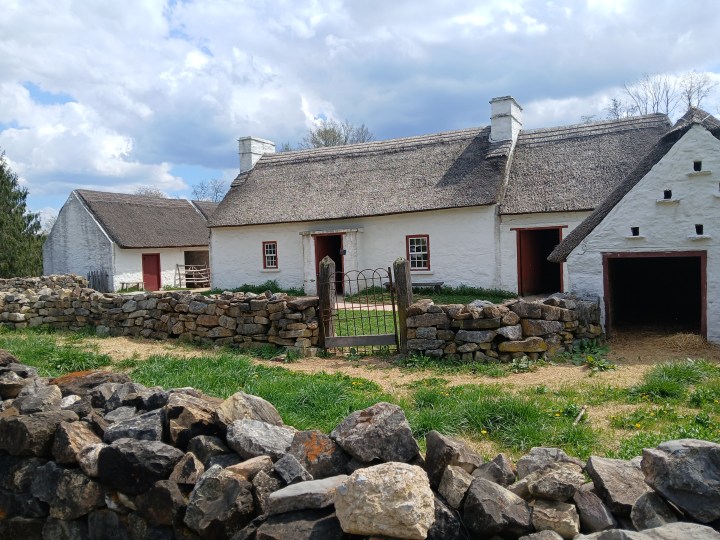
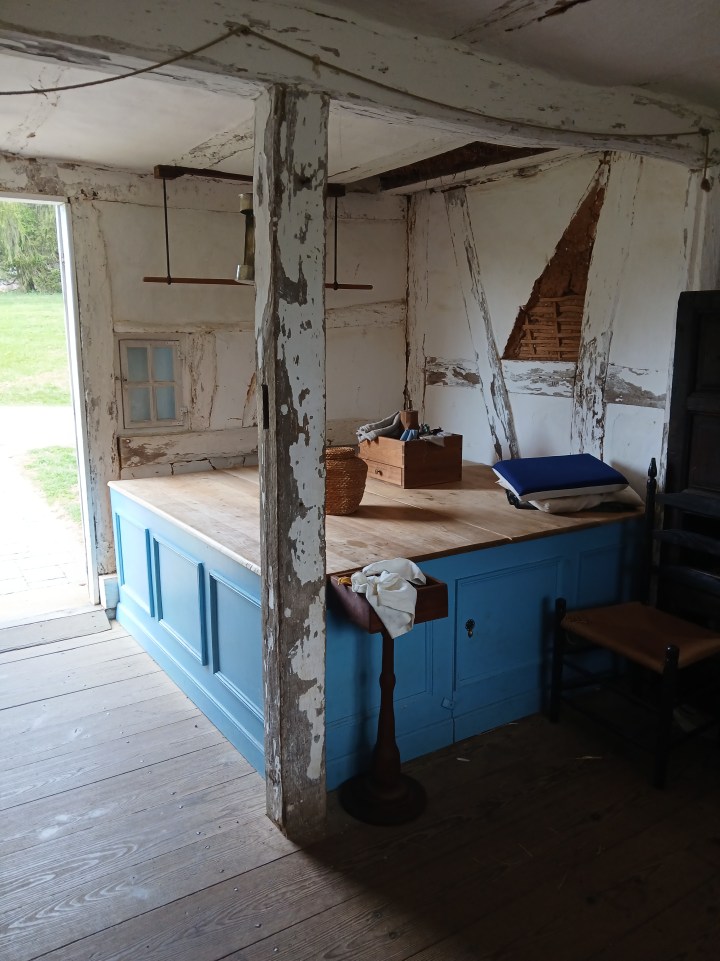
On Easter weekend, I went to the Fiber Festival at the Frontier Culture Museum near Staunton, Virginia. If you haven’t been to the Frontier Culture Museum yet, I would highly recommend it! It’s a pretty unique museum covering a few acres. They show how old world architecture, agricultural, livelihood, etc. influenced these things in the new world by reconstructing farms from Germany, Ireland, and England (historic buildings were moved from Europe and rebuilt in Virginia for the museum) and two farms that were typical of American farms in the area in the 1820s and 1880s. Additionally, there is a recreation of a Monacan Indian village and they are developing a recreation of a West African village as well.
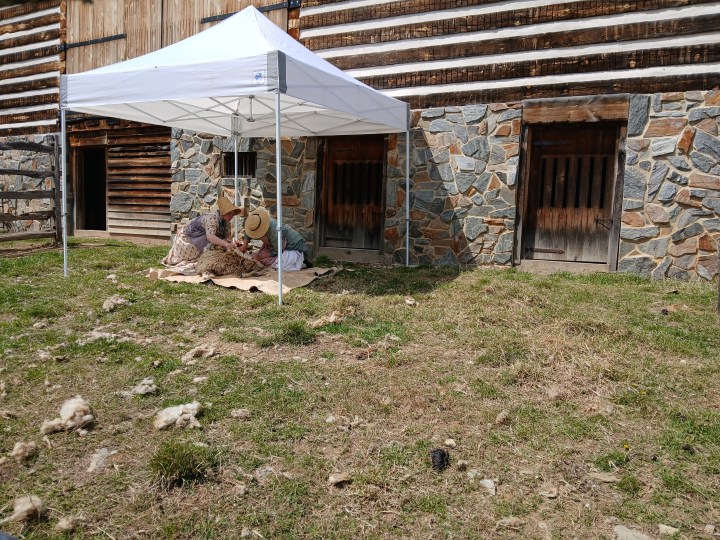
The Fiber Festival was a lot of fun. They had sheepdog herding and sheep shearing demonstrations. I did not get good pictures of these, but they were a lot of fun to watch. It was particularly humorous to see two women wearing historically accurate clothing wrestling with the yearling sheep who did not want to be shorn! They said wool from a yearling who has not been bred is the best quality. For sheep that are having lambs, many nutrients previously going to their wool go to the baby instead.
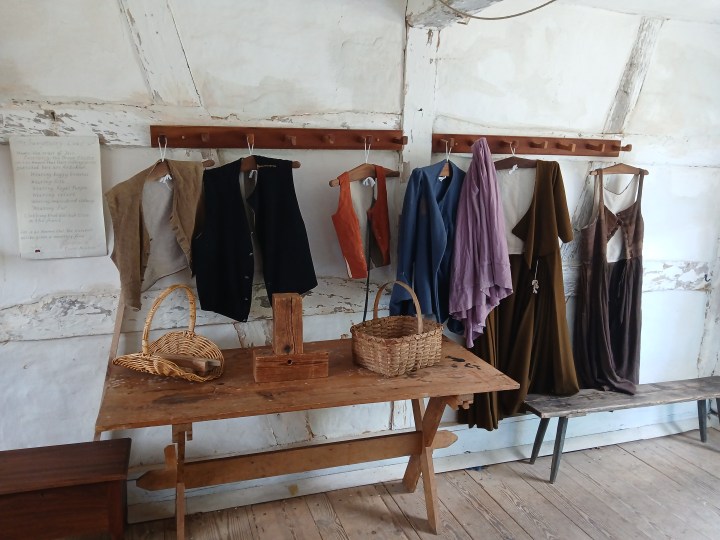
The museum always has historical interpreters, but on this day, they were particularly focusing on the fiber crafts. Some were dying yarn in historic methods, others were spinning yarn on different kinds of wheels, etc.
As with all good festivals, there were also lots of vendors. There were tons of beautiful skeins of yarn as well as unspun fiber in gorgeous colors!
Coincidentally, before I heard of the event, I was already reading a book called The Golden Fleece: A Journey Through Brittain’s Knitted History by Esther Rutter, which has also been teaching me more about fiber crafts. It is amazing to read about the speed knitters developed when it was their livelihood. Also, did you know a mechanical knitting machine was developed about 200 years before the mechanized spinning wheel? That means the earliest knitting machines still relied on someone hand spinning the yarn, an interesting production gap.
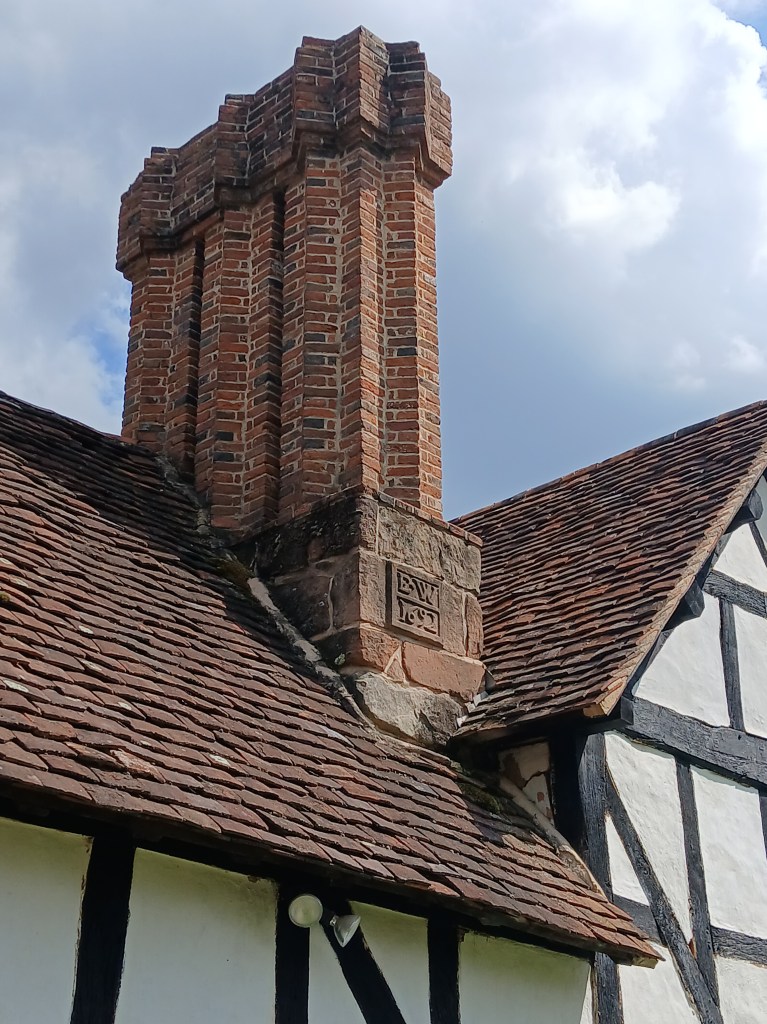
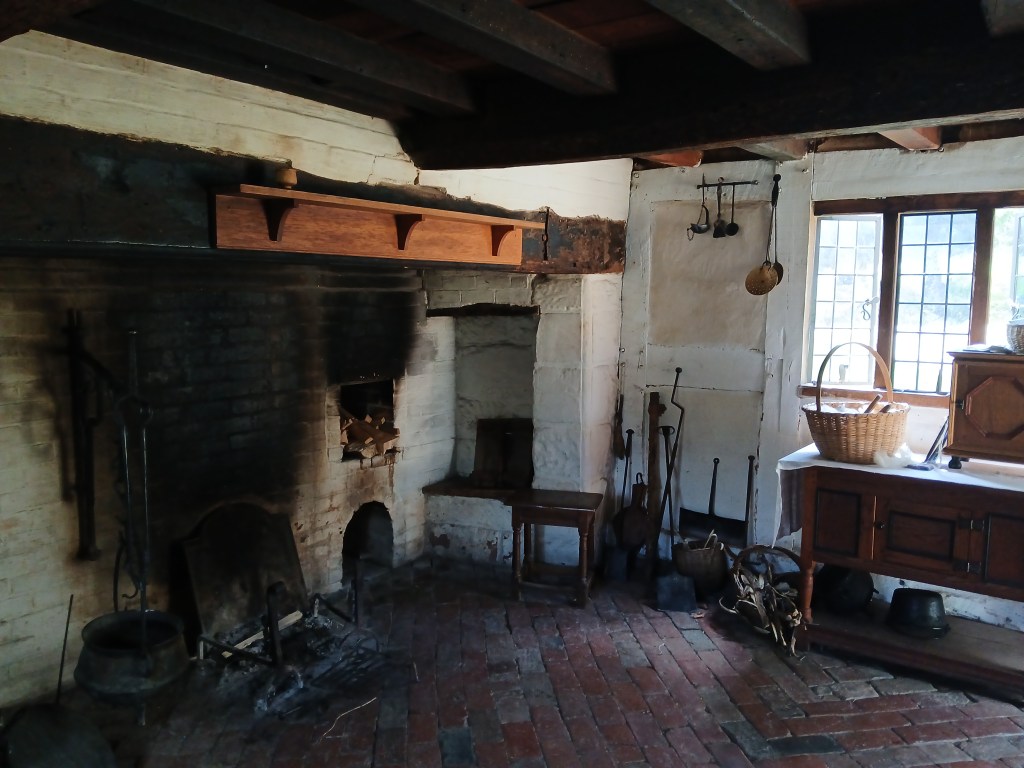
On the English house, I enjoyed the date on the chimney, something I saw a lot of when I visited in England. I love the idea of stamping a build or renovation proudly with the date.
I’m currently working on a few fiber crafts which will take a long time to finish, a knitted sweater and a hand quilted cover for a twin bed. It will be a while before I can show the end product, but I am enjoying the process now!
If you are nearby, I’d encourage a visit to the Frontier Culture Museum!
 Welcome To The Carriage House