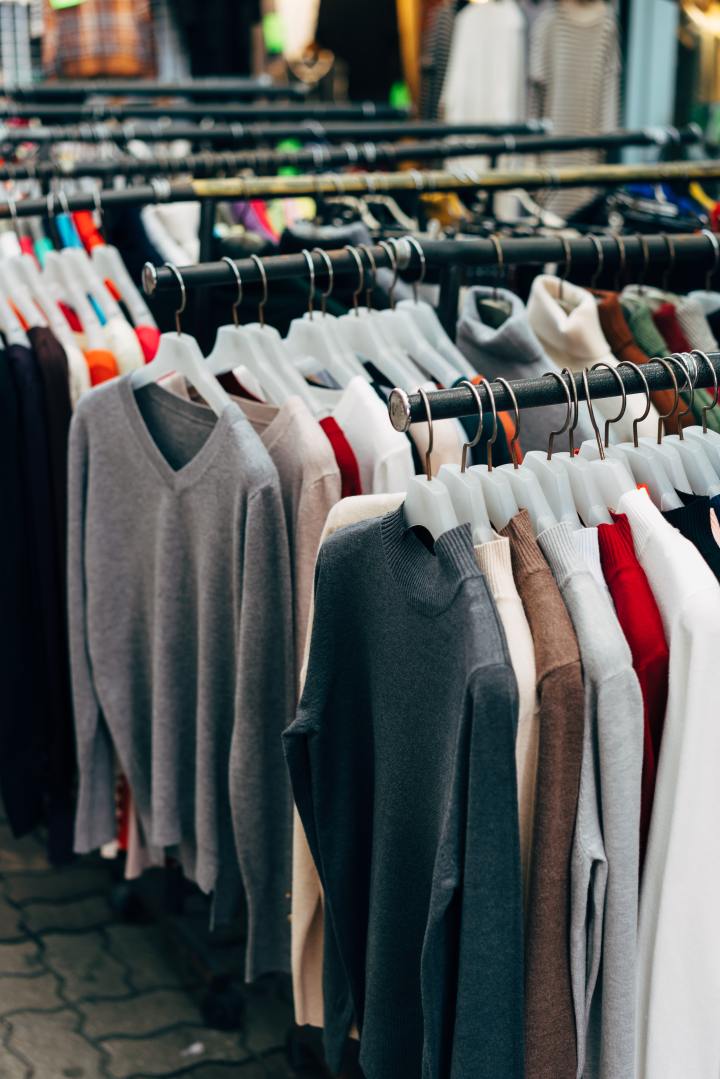
I recently watched a quick video about “fast fashion” beginning in the Victorian era. It was very interesting and definitely gave me lots to think about. The advent of the industrial age and machines made many things possible that hadn’t been possible before, or made them possible at lower costs and faster speeds. However, this was often sacrificed the quality and longevity of the items produced. More seriously, it sacrificed the health and well being of the employees who manufactured these garments.
Fast Fashion Problems
The pace of fashion changes has been escalating faster and faster, from yearly fashion trends in the early 19th century, to seasonal trends in the late 19th century, to daily trends in today’s world of social media and next day shipping. The pace of fashion means that people no longer purchase or have garments made that will last them as long as possible. They are buying clothes they will only wear a few times before the trends change or before the garment is worn out or damaged in the wash.
I am reminded of a friend who spend almost a year saving money for a trendy fur coat. She finally had enough to purchase it…and only wore it a few times before, embarrassed, she realized it was already out of style. She ended up giving it to an older relative who wore it when she was gardening.
Today many countries have labor laws in place and laws that protect the environment in the process of production, or at least better laws than they did during the Victorian era. However, the cheaper the item you are purchasing, the more likely the manufacturing company uses processes that are detrimental to the environment and (more seriously) to the people who make them. The appalling conditions of the Victorian sweatshops aren’t gone, just in different countries and covered up as much as possible. Shein is one example of a popular online clothing line which has been caught more than once on serious ethical concerns.
What about when your done with a clothing item? Donating out of style clothes may make you feel better, but it does not solve the problem. Yes, some items find new life through a thrift store purchase or are given to those truly in need. However, the vast majority (85%) of the unwanted clothes (even the ones that have been donated) end up in the landfill because donation centers just can’t handle the volume. In some cases, donating clothes actually makes situations worse by undermining economy in countries that receive large scale donations, keeping people in poverty. The other problem with donating is that quality is often so low, the clothes may not last long enough for a second owner anyway and so are only suitable for recycling or rags.
Right now, vintage clothes are popular, especially the 80s and earlier. The workmanship and material of the 50s and earlier was still very good. Even though the 60s through 80s moved away from high quality natural materials to synthetics, there was still generally good quality in the creation of the garment. If we imagine forward to 2060, even if someone liked the fashion of the early 2020s, will there be “vintage” clothes available from our decade? There is an overabundance of clothing now, but is it durable enough to last forty years? Probably not.
Finding Solutions
I like to make my own clothes (and alter and repair clothes I purchase, whether vintage or contemporary). It can take many hours to make something and can also cost in terms of material and sewing notions (unless I’m altering something second hand). However, it is satisfying to know that the clothing I’m making is something that will always be in style (at least in a sense) because it is my style, no matter what fast fashion is doing. I wear what I like and what I think is flattering, which tends to be a lot of “timeless” looks. If I’m making it, I know that it is going to be well constructed and fit me.
So as you purchase clothing, consider which materials will last and what your personal style preferences are that you can continue to wear for years. It will probably be cheaper in the end to buy fewer high quality clothes in a timeless style that will last you many years (even decades) rather than lots of cheap clothing that wears out, goes out of style, or both, before you can wear it multiple times.
If you are interested in learning to sew your own clothes (and you’re local) I’m willing to offer low cost sewing tutoring. I have already helped several friends with the basics. I can teach you the basics of hand sewing and embroidery, how to use a sewing machine, how to alter clothes to fit, and how to follow a sewing pattern (including vintage patterns). Let me know if you’re interested!
Photo by Markus Winkler on Unsplash
 Welcome To The Carriage House
My solution: buy as cheaply as possible & wear it until it falls apart (for me, 20-30 years) . Then turn the lesser worn parts into quilts. 🙂
LikeLike
Linda, I think this illustrates my point well! =) Things used to made so that they could be worn 20-30 years if well cared for, but now things are only lasting a few washes because they aren’t designed to last longer. Why? Because they don’t need to last longer than that so there is no point is putting the money, effort, and material into something that will be out of style in a few months.
I like the quilt idea! I have sometimes held on to clothing I liked for repurposing as different garments, crafts, or quilt scraps. =)
LikeLike