No, I’m not talking about theologically conservative gardening tools. Around the time Jane Austen was writing, there was a literary motif which became a cliché that is still seen in many books and films even today, the theme of the reformed rake. A rake was a man “after only one thing,” known for immoral relationships with many women. There was an idea during the Regency (and strongly held into the Victorian age) that a good virtuous woman, the right woman, could change even an immoral man’s character to also be virtuous and faithful. This was around the same time that the spiritual wellbeing of the house was considered the responsibility of the woman as “the angel of the house.”
The reformed rake theme, seen originally in Pamela, is still prominent in many more recent storylines. The Music Man and Guys and Dolls are two titles in which the central plotline is about a reformed rake.
But leave it to Jane Austen, writing around the time that the theme first became popular in literature, to set the record straight. In Mansfield Park, one of her more complicated and symbolic novels, she, at least initially, seems to give us a reformed rake story. (This will contain spoilers though I’ll bet most of you won’t be reading Mansfield Park anytime soon).
The protagonist, Fanny Price, sees the playful and charming Henry Crawford flirting with her two cousins and breaking their hearts. She also witnesses flaws in his moral character which leads her to develop a deep dislike of him. Later, Crawford turns his attention to Fanny specifically for the purpose of making her fall in love with him when he means nothing by his flirtation. “But I cannot be satisfied without…making a small hole in Fanny Price’s heart.” She is embarrassed and tries to discourage him in every way. When she avoids him, he dedicates more energy to winning her heart, until he falls in love with her superior character. He resolves to change that he might be worthy of her and proposes marriage to her (though it is not to his financial or social benefit). Fanny refuses him. He is not to be denied. We see apparent character development as his desires change and he generously acts on Fanny’s behalf. “You think me unsteady- easily swayed by the whim of the moment-easily tempted-easily put aside….It is not by protestations that I shall endeavour to convince you I am wronged,…My conduct shall speak for me…It is not by equality of merit that you can be won. It is he who sees and worships your merit the strongest, who loves you most devotedly, that has the best right to a return. …By that right I do and will deserve you.”
Following the reformed rake theme, it seems this must be how the story ends. Fanny’s virtue has changed Crawford for the better and now she will enjoy a marriage partner who is utterly devoted to her. Despite her initial refusal, she occasionally wavers in her own mind, wondering about his change and if she has set her own standards too high considering her limited social and financial standing. Crawford takes an interest in Fanny’s poor family, elevating their situation. He also takes his responsibilities for the management of his own land much more seriously. “She was willing to allow he might have more good qualities than she had been wont to suppose. She began to feel the possibility of his turning out well…” However, she never encourages him.
In the last chapters of the book, it becomes overwhelming clear that Fanny was right in her refusal. Crawford commits a huge moral failure which destroys the happiness of multiple families and his own chance at happiness with Fanny. It becomes evident after a few short months, that Crawford’s change, though it may have been genuine and heartfelt, was not long lasting.
Though I believe it is possible for people to change, even radically with God’s help, it still holds true that there is wisdom in waiting. Time will tell all.
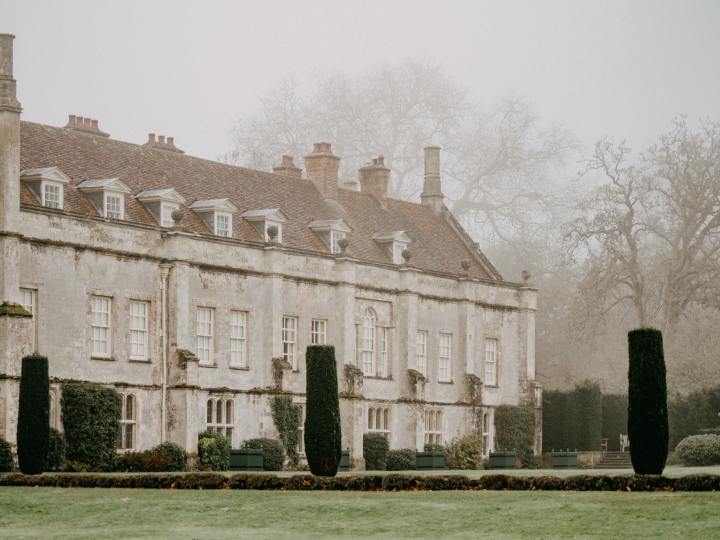
Photo by Annie Spratt on Unsplash
 Welcome To The Carriage House
I was just before telling you I had read Mansfield Park & found it much much better than anything else of Jane Austen’s. Fanny’s shy manner & second-class status really resonated with me, and yes I have been pursued by less than desirable characters. The general tone reminds me of George Eliot, one of my all-time faves. If you haven’t read her, please start with the Mill on the Floss. The rake’s pursuit of the virtuous also reminds me of Dangerous Liaisons.
LikeLike