“I think there is value, interest, and beauty in learning about things that don’t have much to do with me.”
Daniel T. Willingham Why Don’t Students Like School?
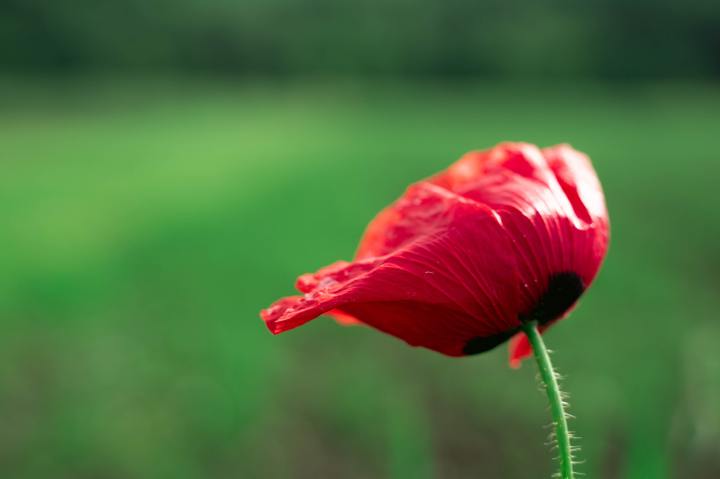
I recently read a “must read” poem about a boy going to school for the first time and getting his crayons out to draw. Even though he is excited to draw many things and use all his colors, the teacher tells him to draw a red flower on a green stem. Eventually, he moves to a new city and goes to a new school, where the teacher tells him to draw a picture of whatever he wants. He chooses to draw a red flower on a green stem. Full poem available here.
The poet gives a rather ominous warning about the dangers of making children conform to the education system. It implies that traditional, teacher-oriented education squashes and ruins innate creativity. However, from my seven years of teaching experience, I would say the exact opposite is true.
When my 1st graders have free time to draw whatever they want, they draw the same things over and over again. I receive dozens of pictures of rainbows, hearts, and dogs. However, our art program is rigorous, introducing students to all sorts of classical artists and teaching them concrete information about colors, materials, and techniques. When they have an art lesson and must practice the technique the teacher models for them, it expands rather than limits the art they make during free time. I begin seeing pictures and art that reflect their newfound inspiration and skill. The tasks in which the art teacher instructs them can seem daunting at first, but when they are required to try something new with the support of instruction, their interest and skills are broadened to include new ideas. The entries in the school’s annual art fair proudly hung in our halls this month, reflecting how the students are learning and growing artistically.
This principle applies to more than art. The end goal of education is not about self-expression or finding a child’s identity or gifting. Its purpose is to craft a thinking person with a wide variety of interests and abilities which have been shaped and challenged by instruction in everything from art to literature, philosophy to mathematics. If the purpose of school is only for a child to find out what they like or what they are good at, they will stop at that. Instead, education should make a child better than they were before by challenging them (even in areas where they are not gifted) and giving them access to the knowledge and skill of the teachers who have been learners before them.
To be clear, I think education should include designated times for children to create and play freely. I am a huge advocate of free play, especially outdoors, and I love to see what my students can think up. However, the primary focus of education should be on instruction, particularly at the youngest ages when students know the least and are the most curious!
You may wonder then, what was it about Buckley’s poem that seems to ring true? Isn’t this like the grown elephant that can be held down by the tiny stake because they could not pull it up when a baby? Don’t we all have the tendency to withdraw and give up when we are told “no” over and over again? Yes, being told “no” or facing rejection or boundaries are discouraging and limiting over time. However, good teacher-centered education is not about saying “no”. It’s about saying “Look at this thing that is true, good, and beautiful. Look at this and this and this. Try this with me. Do this with us.” It is not about denying a child a way to be creative, it is about providing them with inspiration through excellent examples and giving them support through explicit instruction so that they are capable of carrying out anything that comes to their imagination and executing it better than they could have before.
It is ok to teach your child how to draw a flower. It is ok to tell them what color to use at times. You are not squashing their creativity. Teachers, don’t ever apologize for teaching. Instruction, with loving support, helps broaden your students’ thinking and ability.
Quote is from an excellent resource for teachers and parents available here.
Photo by Vladimir Yelizarov on Unsplash
 Welcome To The Carriage House
Amen, sistah! Mere self-expression is not enough. People can express themselves more fully if they understand the underlying principles. It’s a balance. Example and instruction provide inspiration and skill. And what you learn in one area can be applied in other subjects! ::gasp!:: Even if a person never becomes a world-class artist, for example, he/she can learn to appreciate those who are (my artist sister’s ongoing gripe). You can see her work,by the way, if you google Harkins Fine Art. Blessings,linda
LikeLike