Last September, I went to a Virginia state park with my family. While stepping into their tiny gift shop/welcome center to look for a trail map, I noticed a display (about 4′ by 3′) with a brief explanation about how the Civilian Conservation Corps (CCC) helped build the park in the 1930s. My curiosity was piqued. As I researched, I was surprised that I hadn’t heard much about this aspect of American history.
Almost 100 years later, we live in a wildly different culture from the 1930s, though there are also a surprising number of similarities. There is economic uncertainty, people are distrustful, and many people, especially young people, lack a sense of purpose and value. Reading Jonathan Haidt’s The Anxious Generation was an interesting intersection with this research!
It started with FDR. “Roosevelt unlocked new energies in people who had lost faith, not just in government’s ability to meet the economic crisis, but in the ability in anyone to do anything.” -Arthur Schlesinger, Jr.

Who was the CCC? The Civilian Conservation Corps operated from 1933-1942. Its first camps were opened just nine weeks after FDR was inaugurated and the program continued until the U.S. entered WWII and there was a need to channel funds and personnel to the war effort. During these nine years, young men ages 18-25 were eligible to enroll in the CCC if they were unmarried, unemployed, and their families were on welfare of some kind. They earned $30 a month, but $25 was mailed home directly to their families. They received the remaining $5 and their bed and board. The War Department was in charge of the camps where they lived, providing military discipline and order. During the workday, the men were under the Agriculture Department or Parks Services.
In an effort to employ people who needed the most assistance, there were some specific CCC camps for Black Americans, Native Americans, and WWI veterans. Enrollees in these specific camps did not have to meet the age requirements or unmarried status. Even in typical camps, older men (Local Experienced Men) were employed from local communities for their experience in various trades or local knowledge to provide training for young enrollees. The program also stimulated rural local economies because food, supplies, building materials, and more were acquired from the area and the enrollees often spent their $5 in the nearest town.
Nearly 3,500,00 men benefited from enrollment in the CCC. For the population of the time, that means more than 8% of all adult men in the U.S. were a part of the CCC during these years!
Where were the camps? There were 4,500 different camps spread out over all 48 states as well as several U.S. territories. The very first CCC camp (Camp Roosevelt) opened on May 11, 1933, in what would become Shenandoah National Park in Virginia.
What did the CCC do? Expectations for the young, untrained men with little machinery were initially low. The work started as simple manual labor. “When given the opportunity, though, CCC men proved exceptionally skilled in managing more complicated tasks from the construction of lakes, dams, lodges, and cabins to laying water lines, stringing telephone wires, and even assisting in archaeological excavations.”-Ren & Helen Davis
In the end, they planted between 2 and 3 billion trees (half of all the trees that had ever been planted in the U.S. up to that point!), built 125,000 miles of road, strung 89,000 miles of telephone lines, built 13,000 miles of foot trails, developed 800 state parks, developed 52,000 acres of campgrounds, restored 3,980 historic structures, fought soil erosion on 814,000 acres, fought forest fires, and more.
Today, not all of the conservation practices of the CCC are considered most effective or beneficial for the land. However, I don’t think it can be denied that their work was a huge step forward at the time, when efforts toward conservation had previously been minimal or put on hold for economic reasons. Without their efforts which made national and state parks more accessible to future generations, there would likely have been fewer conservation efforts in the decades between then and now because fewer young people would have come to love nature through the parks. You have to be exposed to nature to care enough to preserve it. Last Child in the Woods is a good read on this subject!
The CCC men did much for the land and for their country, but what did the CCC do for the men? First, most of them gained weight! The men gained an average of 11 lbs. their first month with the CCC. An estimated 100,000 men learned to read and write while working with the CCC through the educational programs they offered to the camps in the evenings. Some men took advantage of classes in mechanics, typing, radios, etc. to gain skills which helped ensure their future job success (and increased their value in WWII). But even for the men who did not take advantage of the educational programs (which were completely optional) many of the men expressed that they felt for the first time they were a part of something bigger than themselves. They learned to work with other men of various backgrounds and beliefs. They gained confidence and a sense of purpose in providing for themselves and their families.
Reading the testimonies of enrollees (recorded in their old age at CCC reunions) was amazing! Of course, there were plenty of funny stories and snapshots into their daily life, but there was also an overwhelming sense of gratitude. Many of them spoke about how the CCC changed the course of their life. The unofficial motto of the CCC was “We Can Take It!” pointing to the very real transformation of boys to men, who were able to handle adversity with a drive to succeed.
“Roosevelt brought together two wasted resources, the young men and the land, in an attempt to save both.”- John A. Salmond
Though the attempt was not without flaws, the CCC seems to have accomplished just what Roosevelt intended it to. The land in the U.S. was conserved, reclaimed, and made accessible to future generations. These young men became the generation who led the U.S. to victory in WWII (some historians even credit U.S. victory to the CCC) and returned to the U.S. to marry, start families, and build homes.

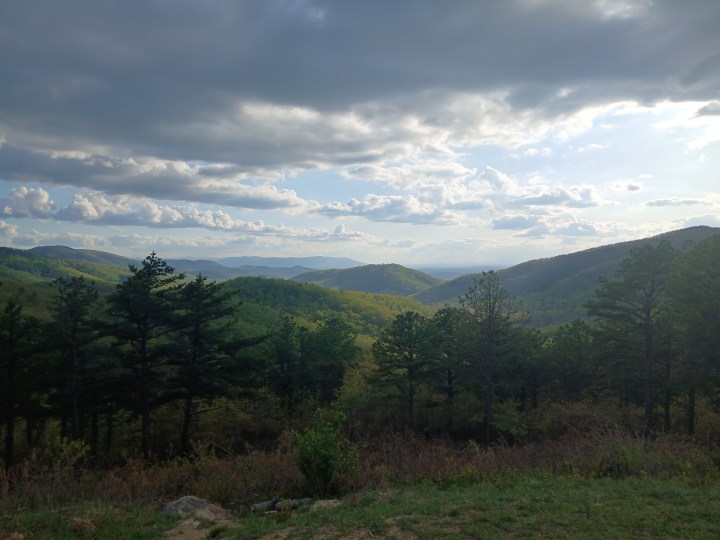
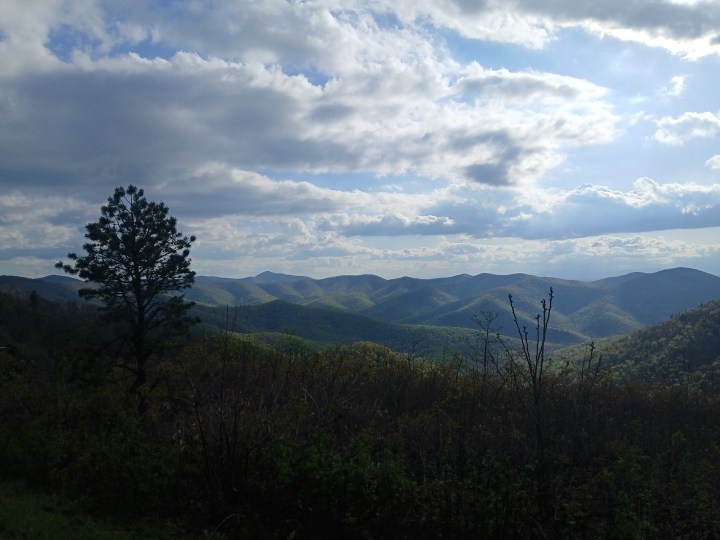
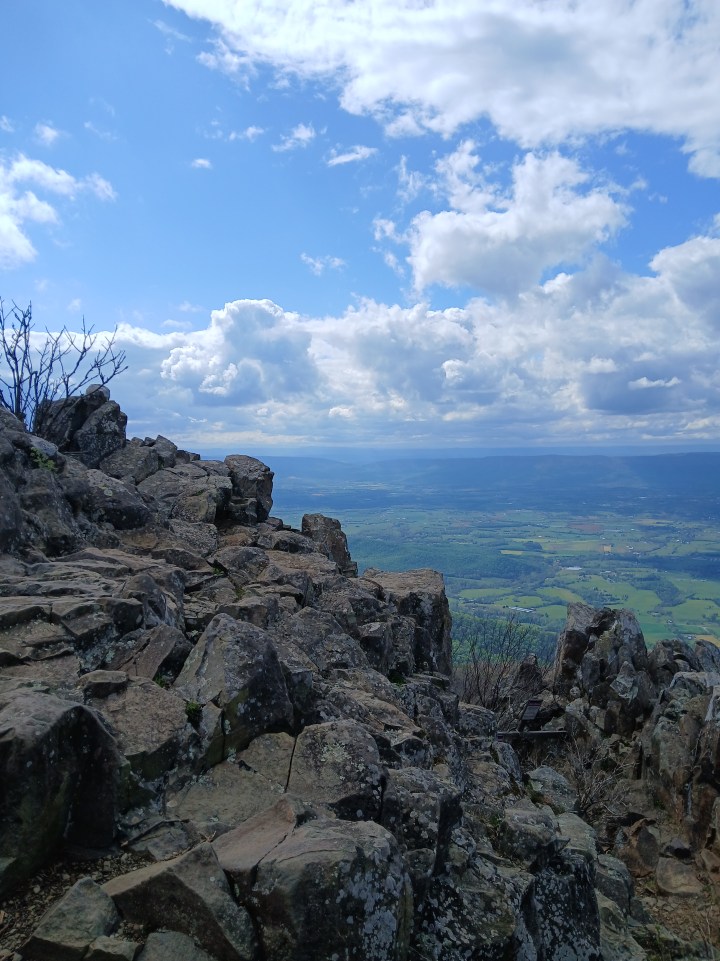
This past weekend, I spent a day enjoying Skyline Drive, one of the first major projects the CCC worked on in Shenandoah National Park. It was hard not to stop at every overlook! This post includes some of my favorite views from the day. The 100-mile drive has incredible natural beauty but it was made even more special knowing the history of the men who built the road and cultivated the land.
Some books on the CCC:
- Our Mark on This Land: A Guide to the Legacy of the Civilian Conservation Corps in America’s Parks by Ren & Helen Davis
- The Tree Army: A Pictorial History of the Civilian Conservation Corps 1933-1942 by Stan Cohen
- Fighting for the Forest: How FDR’s Civilian Conservation Corps Helped Save America by P. O’Connell Pearson (this one is for kids)
 Welcome To The Carriage House