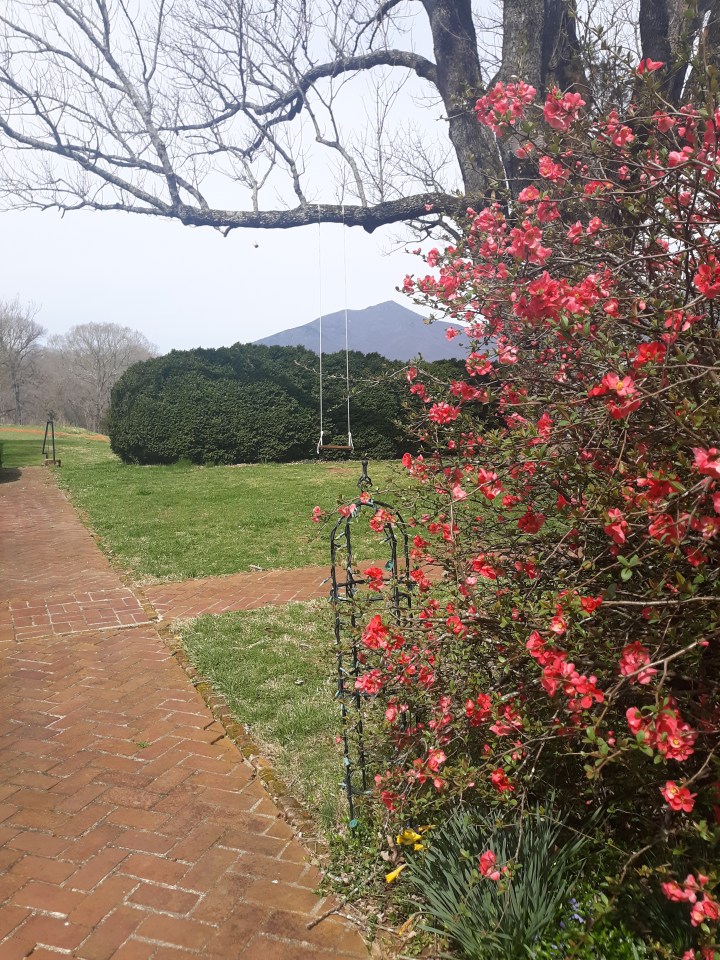
The Road goes ever on and on,
Down from the door where it began.
-J.R.R. Tolkien
There are many reasoning for walking, the most obvious being getting from one place to another. Many people also walk for exercise. Though I do walk instead of drive if I’m able to, and I know that walking is good for me physically, these are not my primary reasons for walking. The steps I suggest for taking a good walk are when the purpose of the walk is simply to enjoy a good walk.
Step 1: Choose a quiet place. I prefer to walk in neighborhoods rather than parks or public trails because you are less likely to have to compete with people, dogs, and bikes. Whether you choose the route beforehand or let your feet wander is up to you. I like to initially look at a map to get a feel for the distance and lay of the roads, but then I leave the map at home and explore.
Step 2: Don’t worry about how many steps you are taking. Don’t set goals for how long or far you must walk if your primary purpose in enjoyment. There is nothing that spoils an enjoyable time faster than checking to see if your time is almost up. Walk as long as you enjoy it.
Step 3: Use all your senses. Enjoy the views around you. Instead of tuning into music, listen to the sounds around you (whether that is car traffic, bird songs, or stillness). Run your hand along the fence rail or stop to pet a friendly dog. Inhale deeply, not only for breathing, but for the smell. Are flowers blooming? Does the ground smell wet after a rain?
Step 4: Don’t be afraid to stop. If you have in mind that walking is for exercise, you might feel bad about breaking your stride, but you don’t have to feel bad when your goal is enjoyment. Literally stop and smell the roses, walk more slowly on your favorite block, or dawdle to chat with a neighbor if you enjoy conversation.
Step 5: Allow your mind to process and rest. You might be worried about a situation. If you give your mind a break from it for a time, you might solve the problem that’s been bothering you. Maybe you won’t solve your work problem, but you may suddenly have an idea for how to organize your spice cabinet or what should happen next in the story you have been writing. You may not solve any problems on your walk, but you’ll still be better for the time of allowing your mind to wander.
Step 6: Collect memorabilia. A beautiful leaf, a perfectly smooth stone, or lavender trimmings from the curb may find a place back in your home. They serve as a memory of the walk and as a chance for the beauty outdoors to be brought indoors.
Step 7: Consider walking with others. I often prefer to walk alone, but sometimes walking with a friend can also be very enjoyable. Have you ever noticed that it is actually easier to have serious conversation while walking side by side than it is while sitting and facing each other? Facing one another across the table or living room, you feel pressure to keep talking and fill awkward pauses when looking at each other. If you are walking, there is much less pressure to keep the conversation going. If there is a lull, it is okay, because you have the common goal of walking. There is time to process thoughts, formulate questions, or take a deep breath before diving into something hard to say or ask. Someone once pointed out that it is probable that most of Jesus’ teaching to the twelve disciples happened while they were walking. If so, some of the greatest life-on-life teaching happened while walking, not in a classroom.
Happy walking!
 Welcome To The Carriage House
I agree! I would add that walking in your own neighborhood can foster a sense of community. You gain an awareness of what’s happening in the lives of those around you through both observation and face to face contact.
LikeLike