
The open concept floor plan is the current dominating design and remodel trend and it looks like it will be around for a while. There are certainly many advantages to open concept. The home feels larger, it allows for more time together while family members can be doing different activities in the same large space, and it often feels more welcoming because the kitchen or other traditionally “private” areas are more exposed. But are there any benefits to sticking with a closed floor plan? Especially if you live in a historic home, pause a little before you start ripping out walls to achieve your Chip and Joanna look. Consider the reasons behind a traditional, compartmentalized floor plan.
Energy Savings
The biggest reason to consider keeping a closed floor plan is the very practical reason of saving money. Historic homes (before central heating and cooling) were designed with efficiency as well as beauty in mind. If you wanted to heat just one room, close the door and turn on the heat source for that room. If you want to heat most of the house, but not certain rooms, close the door to those rooms and leave the heat source off. Though heating systems have changed and most people now have heat supplied to their whole house, the basic concept still applies. Small rooms can be heated more efficiently than large open spaces, particularly if your home has an older heating system that heats individual rooms with radiators, baseboard heaters, or fireplaces. If you want more details about how this works exactly, this is a very informative video.
Preserving Original Detail
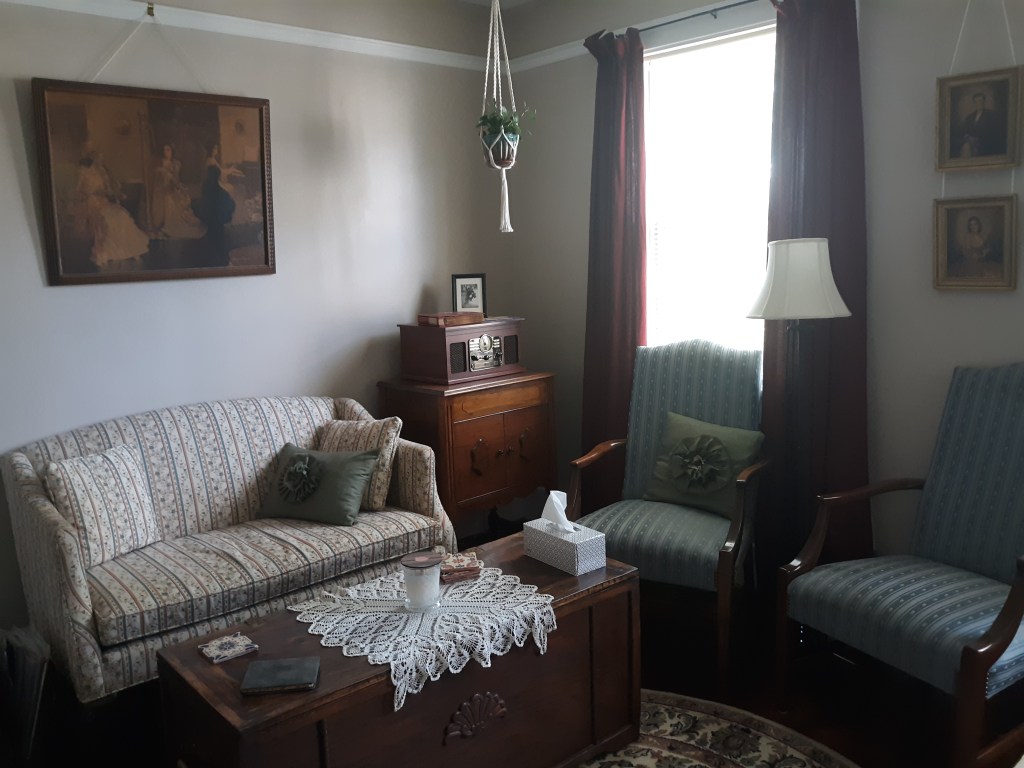
Special Treatment for Guests
I actually find it quite interesting that 21st century America seems to think the best way to show a guest they are welcome is by treating them like part of the family (that is, not that special or out-of-the-ordinary). While interpreting hospitality in this light puts a very positive emphasis on the family, the nonchalance is a departure from centuries of etiquette. A traditional floor plan likely has a separate kitchen, dining room, living room, and maybe even a parlor. This created a distinction in the house between a place to work and relax with the family and a place for hosting guests. In the 1930’s house I lived in as a teenager, you only had to look at the floorboards to tell which rooms in the house and been for visitors and which had been just for the family. The front door opened into the living room which had glass doors leading into the dining room and a solid door to the main house. The dining room also had a solid, swinging door to the kitchen for easy table service. The majority of the house had wide wood floor boards; however, the living room and dining room had narrower, more expensive boards because these were the only rooms visitors would see even if they were staying to dinner. Though there is certainly value in treating guests like family (and for some people, this really makes them feel the most appreciated and loved), I think there is also value in having some areas, some foods, some dishes, etc. set aside to make a guest’s visit special. It is nice to show that you are willing to take extra time, expense, or effort on their part.
Privacy
As idealistic as it sounds to have everybody together in the same large living space, there is also some value in separate areas (other than bedrooms) for privacy. In open concept, the only easy place to retreat is often a bedroom. However, it is often advised to dedicate your bedroom (or at least your bed) to just sleep. In the traditional floor plan, Mom can be cooking in the kitchen (maybe even playing music if she wants), while one of the kids is doing homework at the dining room table and another is relaxing on the couch watching TV in the living room. Not to say that this is a guarantee that no distractions will arise, but there is a better possibility of individual productivity and/or relaxation without the distractions of others’ activities. Sometimes it is also just nice to have some personal space, even for extroverts.
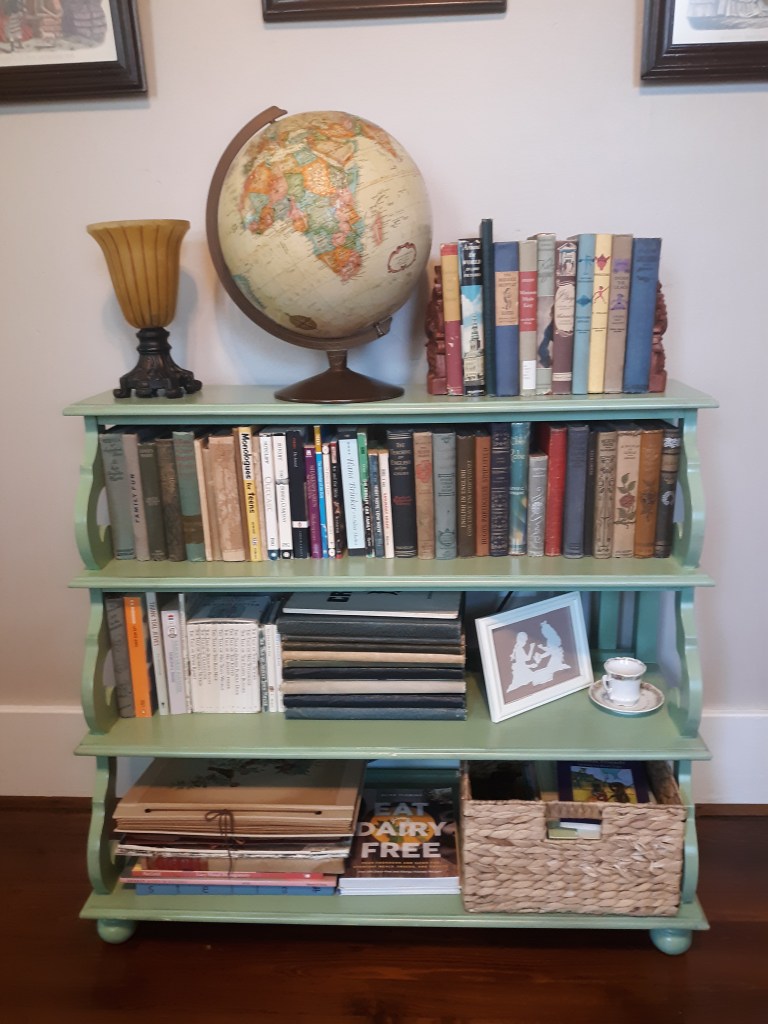
Whether you end up going with an open or closed concept in your remodel, remember to think through all of the factors, not just popularity or visual appeal, before making your decision.
 Welcome To The Carriage House